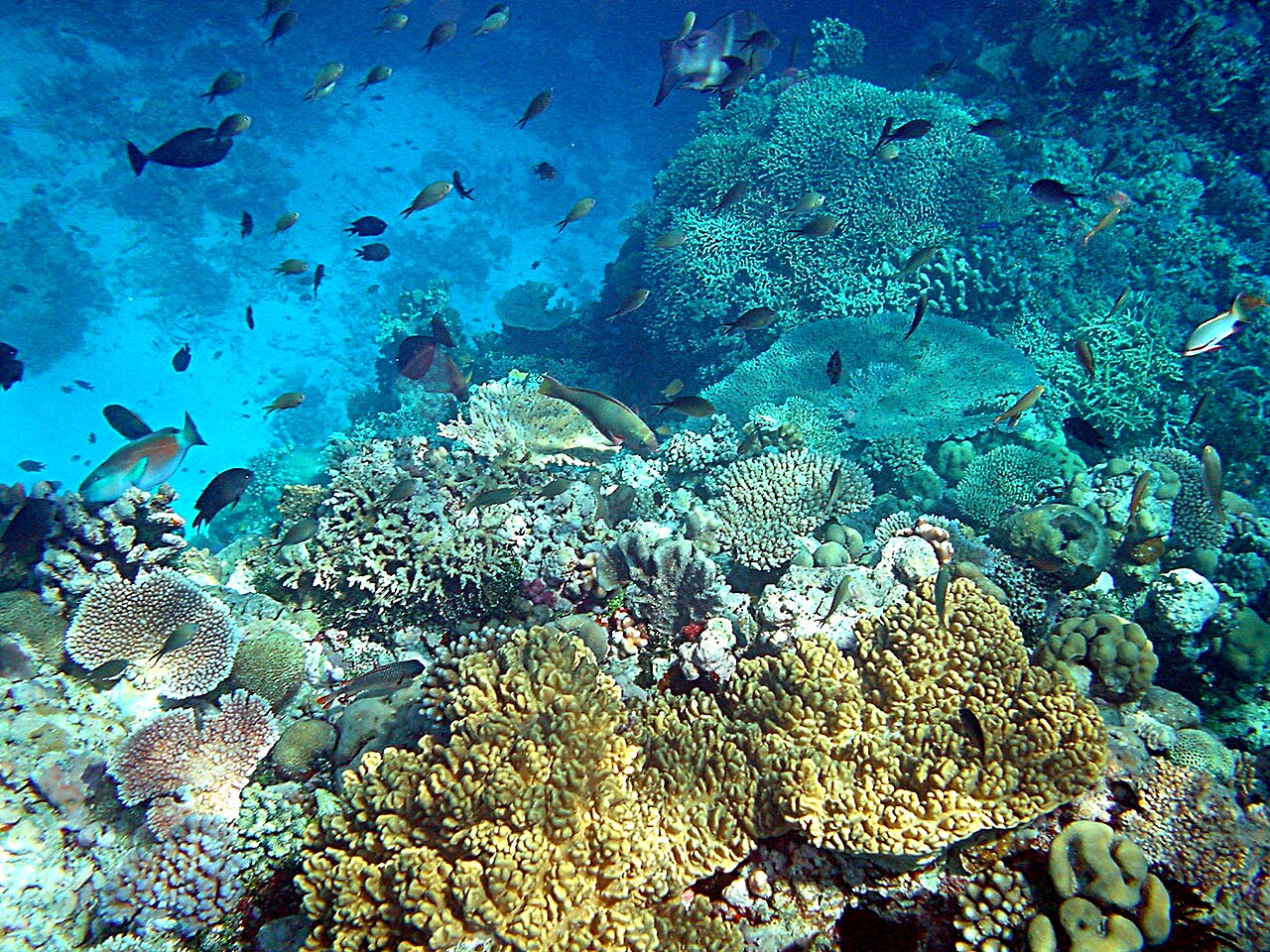
Marine Protected Areas (MPAs) play a vital role in safeguarding ocean ecosystems and biodiversity. At the same time, research increasingly highlights the importance of recognising marine environments as both natural and cultural landscapes.
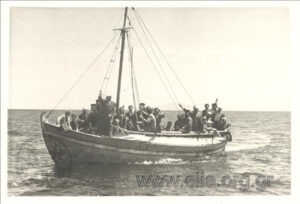
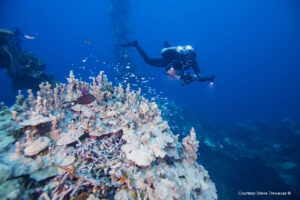
While marine cultural heritage has often received less attention within MPA designation and management, researchers continue to advocate for more integrated and participatory frameworks that bring natural and cultural heritage together, from underwater cultural heritage to maritime traditions and community connections to the sea.
As global ocean conservation efforts expand through collective action and public engagement, there is significant opportunity to strengthen how cultural heritage is included within existing and future MPAs, contributing to more connected and inclusive ocean protection and supporting the Ocean Decade vision of a healthy, resilient, and accessible ocean for all.
Recent plans for Papua New Guinea’s Western Manus Marine Protected Area, set to become the largest MPA in the country’s history, illustrate the value of this more integrated approach. Alongside biodiversity conservation, the initiative recognises the relationships, knowledge, and livelihoods that connect coastal communities to marine environments, highlighting how ecological and cultural values can work together in support of ocean protection.
Further reading:
🐟 Papua New Guinea announces largest MPA in its history | Oceanographic Magazine
🐟 Papua New Guinea to Protect Coral-Rich Marine “Highway” for Sharks, Dolphins, Whales and Rays | National Geographic Newsroom