You are currently viewing Taking Stock at IKUWA8: Underwater Cultural Heritage and the UN Ocean Decade

Taking Stock at IKUWA8: Underwater Cultural Heritage and the UN Ocean Decade

By Kiki Kuijjer, ODHN Digital Engagement Manager

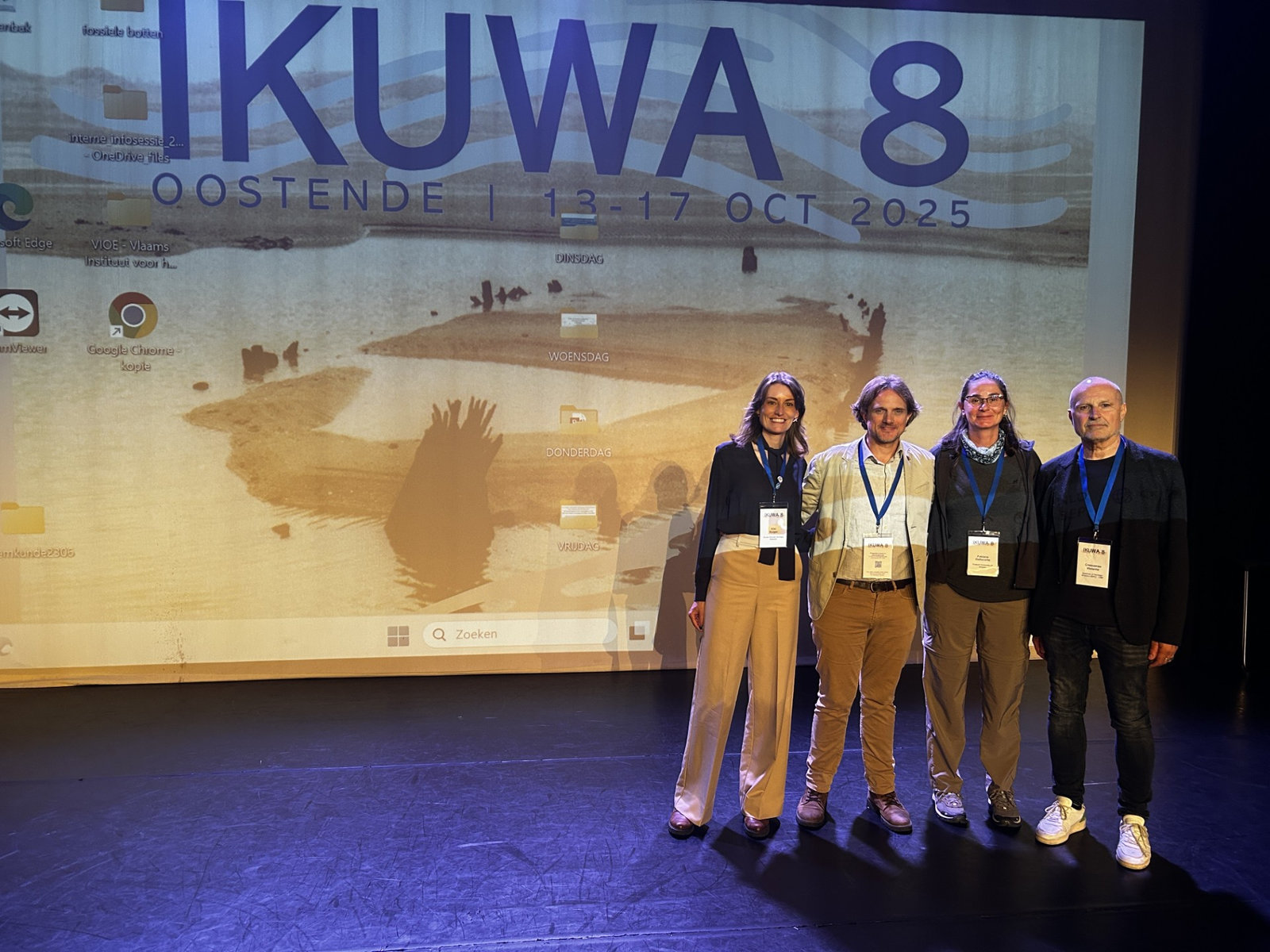
From 13 to 18 October 2025, the underwater archaeology and heritage community came together in Oostende, Belgium, to attend IKUWA8: Telling the Exciting Tales of Our Past.

IKUWA (Internationaler Kongreß für Unterwasserarchäologie) is a global network that organises congresses on underwater archaeology to raise awareness of the importance of underwater cultural heritage (UCH) and create an international regulatory framework for its protection.

IKUWA8 was an Endorsed Action of the UN Decade of Ocean Science for Sustainable Development (2021–2030). Through its theme, Telling the Exciting Tales of Our Past, the conference celebrates stories from our maritime heritage, echoing the Ocean Decade’s goal of creating an inspiring and engaging ocean for all.

As we are now halfway through the Ocean Decade, the conference also presented an opportunity to take stock of and showcase the achievements of the Ocean Decade in the field of UCH and to highlight its potential to inspire stronger social, cultural, and emotional connections with the ocean.

The Ocean Decade Heritage Network (ODHN) had a strong presence at IKUWA8, with active participation across the conference programme. This article shares selected highlights from the conference.

Is Marine Archaeology Even a Thing?

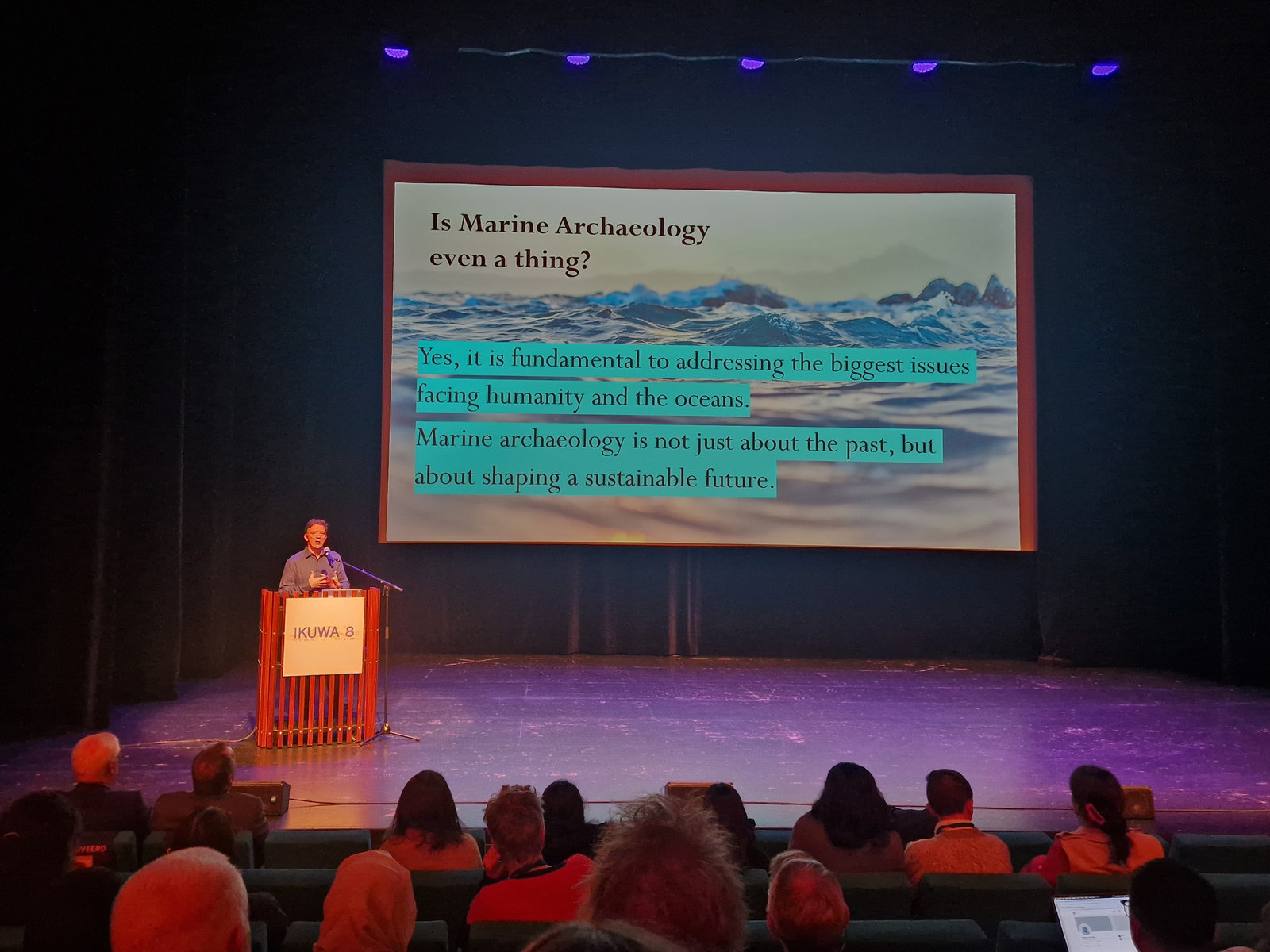
Jon Henderson presents his keynote “Is Marine Archaeology Even a Thing?” Ocean Heritage and the Sustainable Development Agenda at IKUWA8.

In his conference keynote “Is Marine Archaeology Even a Thing?” Ocean Heritage and the Sustainable Development Agenda, Jon Henderson discussed the marginal position of marine archaeology within ocean science and policy and the challenges of achieving meaningful integration. Henderson pointed out that, outside our own professional bubble, marine archaeology is still largely perceived as a tool for public engagement rather than a scientific approach. While recognition of cultural heritage within the UN Ocean Decade has improved—from being almost entirely absent to at least acknowledged in recent discussions—it remains peripheral, often confined to side events and symbolic mentions rather than being structurally embedded in ocean science. Henderson raised the question: “if marine archaeology disappeared from these conversations, would anyone notice? Would ocean scientists, policy makers, or the public, even feel the loss?”

Henderson stressed the importance of adapting our language to the specific audiences we engage with. By using terms that resonate beyond our own field, such as “marine cultural heritage” when speaking with developers or “ocean heritage” in the context of the UN Ocean Decade, we can create stronger connections and make our work more relevant to others’ priorities. Equally important is publishing beyond our own journals, continuing to share emerging results, and communicating findings clearly and quickly in accessible formats. Reaching both academic and non-academic audiences, and consistently engaging with scientists, policymakers, and other stakeholders using language they can relate to, helps ensure better integration and wider impact of our work.

These approaches are reflected in recent publications, including the UNESCO White Paper Underwater Cultural Heritage, Climate Change: Adaptation and Mitigation by Colin Breen (2025) and the Blue Paper Heritage in the UN Decade of Ocean Science for Sustainable Development (2021–2030) and Beyond by Holly et al. (2025), which present heritage research for broader interdisciplinary contexts.
Quantum perspectives on UCH in Africa

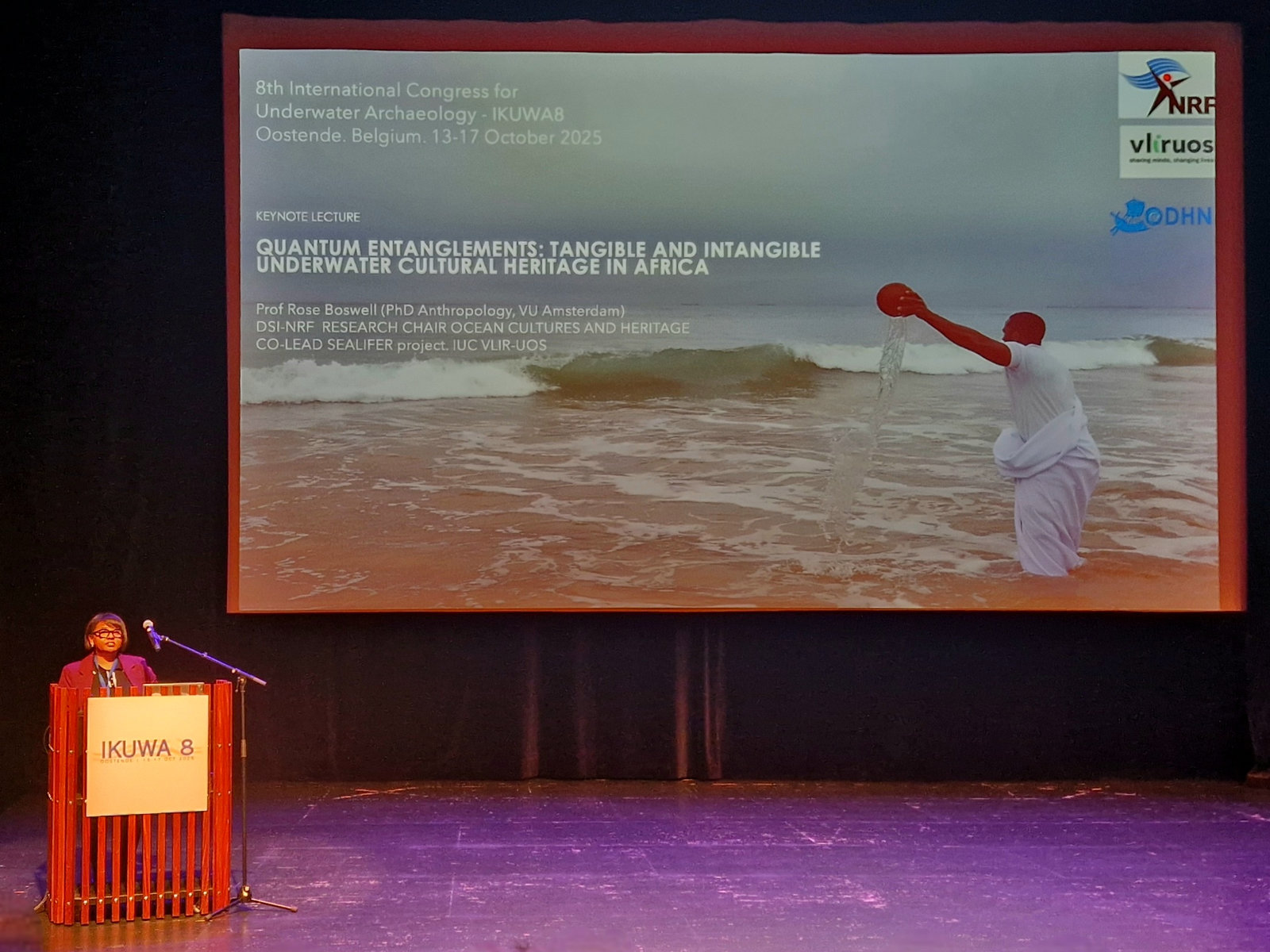
Rose Boswell presents her keynote Quantum Entanglements: Tangible and Intangible Underwater Cultural Heritage in Africa at IKUWA8.

While Henderson focused on further embedding heritage research in science within the UN Ocean Decade and reaching diverse audiences, the second day’s conference keynote Quantum Entanglements: Tangible and Intangible Underwater Cultural Heritage in Africa by ODHN board member Rose Boswell explored the depth and complexity of underwater and coastal heritage in Africa, highlighting how these stories are lived, relational, and often exist beyond conventional policy and academic frameworks.

In her keynote, Boswell drew on sensory ethnography and anthropology through the lens of quantum theory. She highlighted concepts such as entanglement, superposition, and recursiveness to challenge linear or deterministic thinking about the ocean, coastal communities, and people’s intangible cultural connections with the sea. These ideas present reality as relational, participatory, and dynamic, emphasising that heritage is not just a collection of objects or stories, but exists through living relationships within communities and across time and space.
Achievements and Challenges for UCH in Latin America

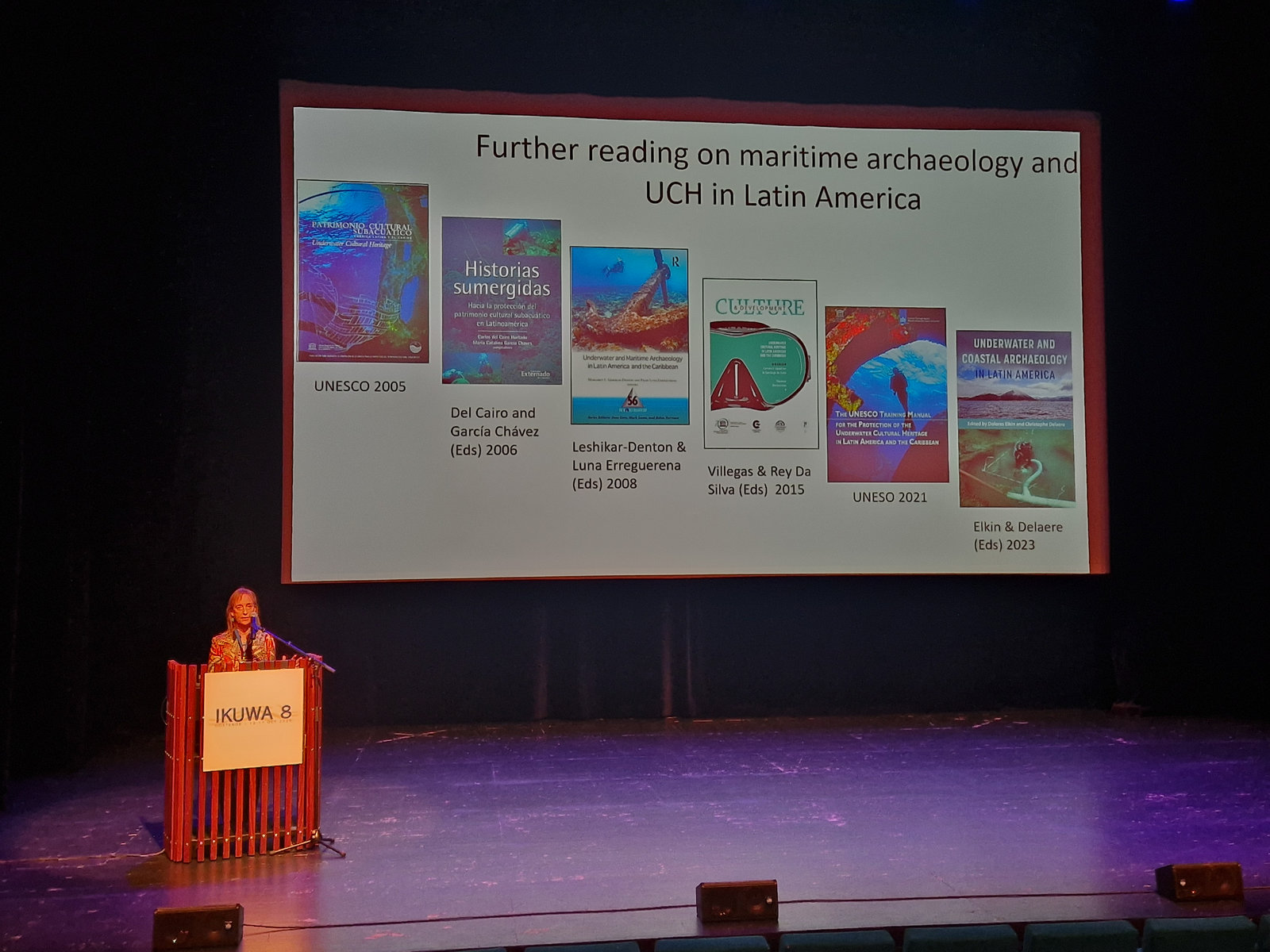
Dolores Elkin presents her keynote Achievements and Challenges for Underwater Cultural Heritage in Latin America at IKUWA8.

ODHN board member Dolores Elkin’s third conference day keynote, Achievements and Challenges for Underwater Cultural Heritage in Latin America, provided a wide-ranging current research in underwater archaeology across the region, highlighting the richness and diversity of UCH in each country. She underlined the importance of collaboration at local, regional, and international levels, as well as the role of UNESCO in supporting research and capacity building. Beyond its substantive overview, the keynote stood out for its personable and inclusive delivery. By acknowledging researchers, students, and community members across Latin America, Elkin gave visibility to those actively shaping the field and reinforced the central role of people and partnerships in advancing the study, management, and protection of UCH in the region.

Further context on UCH in the region is available in Underwater and Coastal Archaeology in Latin America by Dolores Elkin and Christophe Delaere (2023).

UCH in the UN Ocean Decade

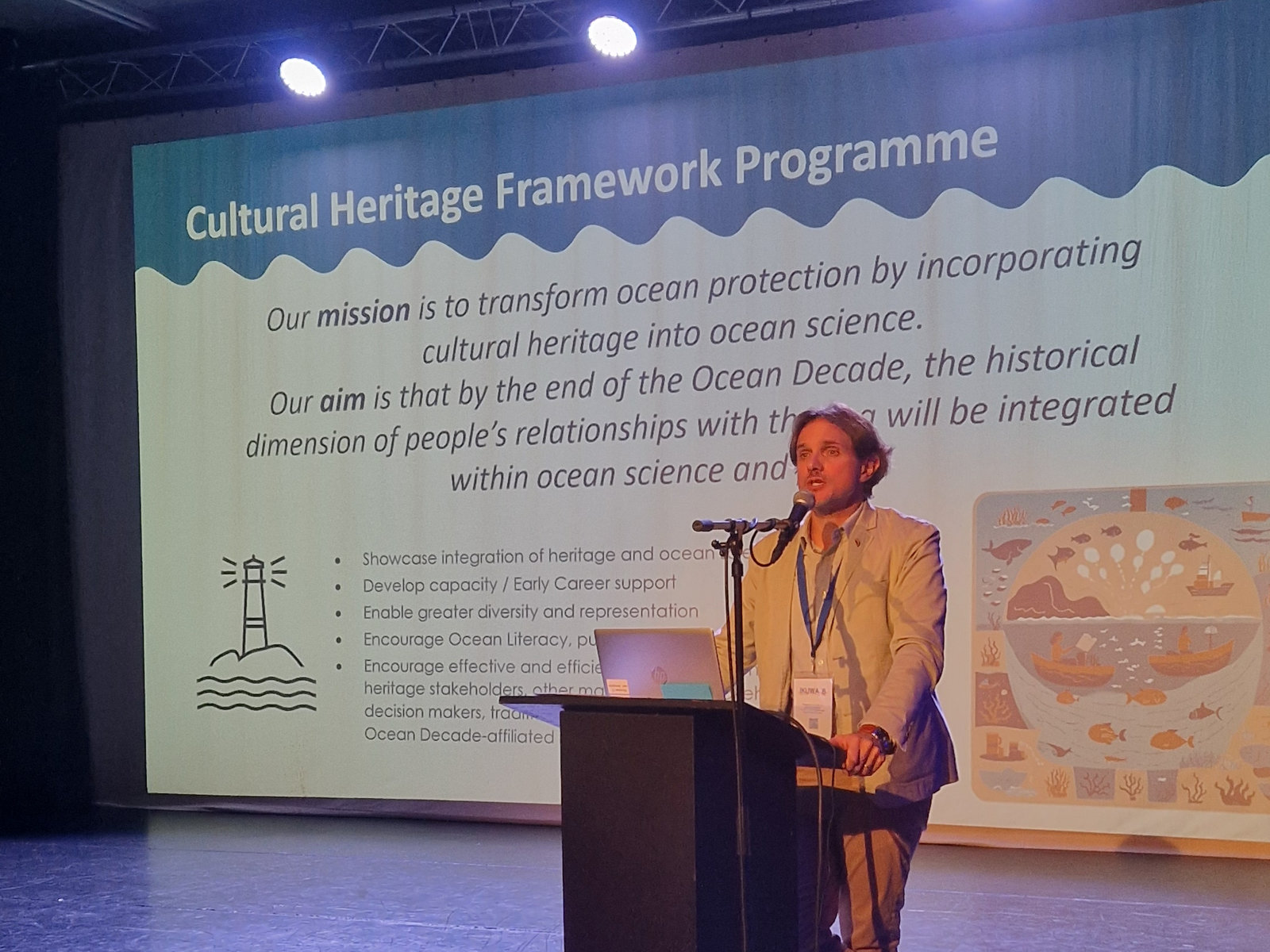
Beyond the keynotes, IKUWA8 offered a wide range of sessions showcasing ongoing projects and recent developments in the field of UCH. Among these, session C1 focused on the role of UCH in advancing the aims of the UN Ocean Decade, with particular emphasis on the work of the Cultural Heritage Framework Programme (CHFP).

The session opened with a presentation by CHFP Project Manager Georgia Holly, delivered by ODHN Co-Chair Arturo Rey da Silva, which introduced the CHFP and its endorsed initiatives. The presentation demonstrated how the integration of underwater and marine cultural heritage into policy, research, and management can strengthen understanding of human–ocean relationships and position heritage as an active contributor to sustainable ocean practices.

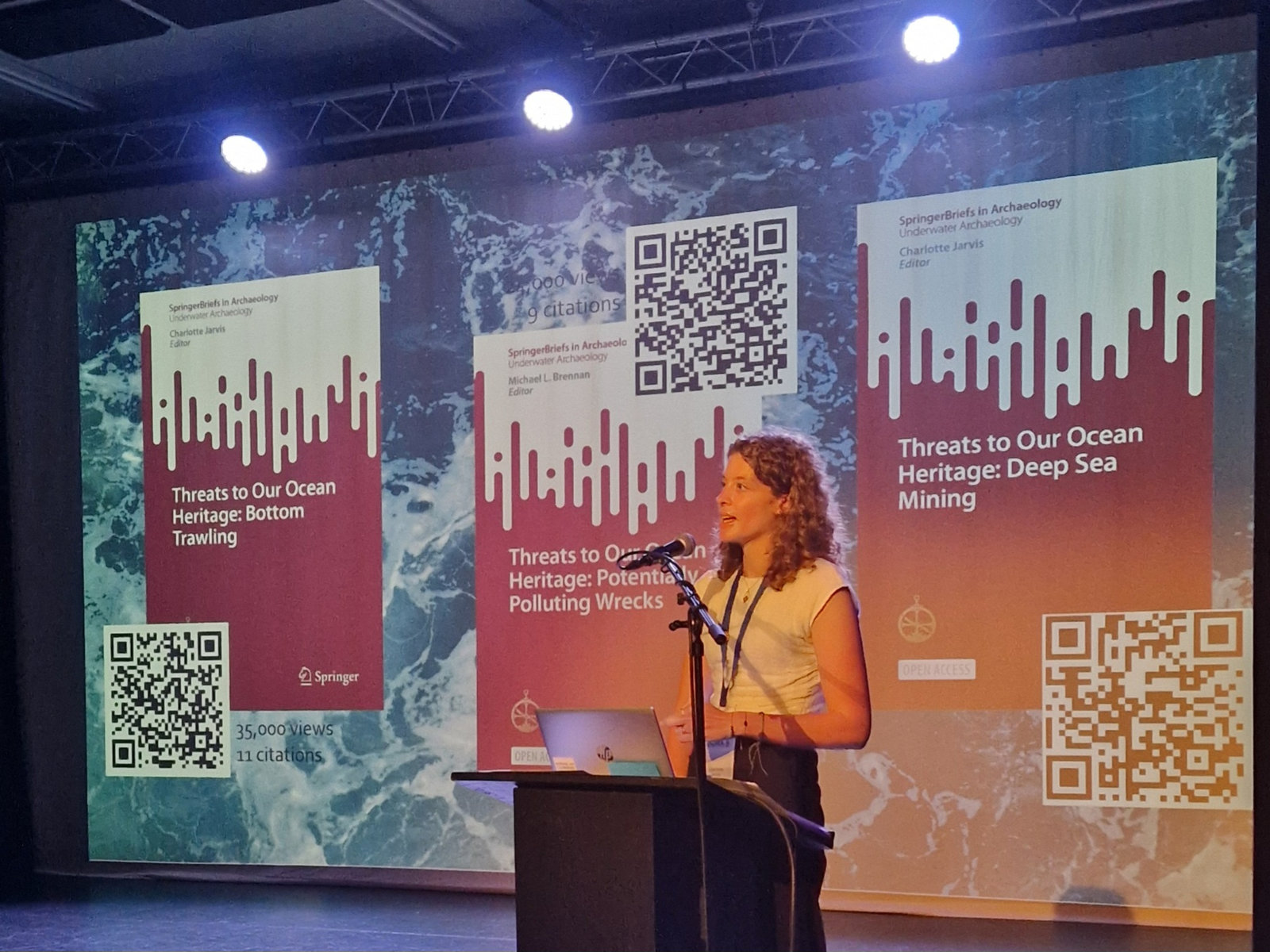
ODHN ECOP Charlotte Jarvis then presented outcomes from the Threats to Our Ocean Heritage project, which examined the impacts of bottom trawling, potentially polluting wrecks, and deep-sea mining, illustrating how the UN Ocean Decade can provide a platform for bringing cultural heritage into dialogue with ocean science and environmental policy. Readers interested in these themes are encouraged to explore the open access Threats to Our Ocean Heritage book series.

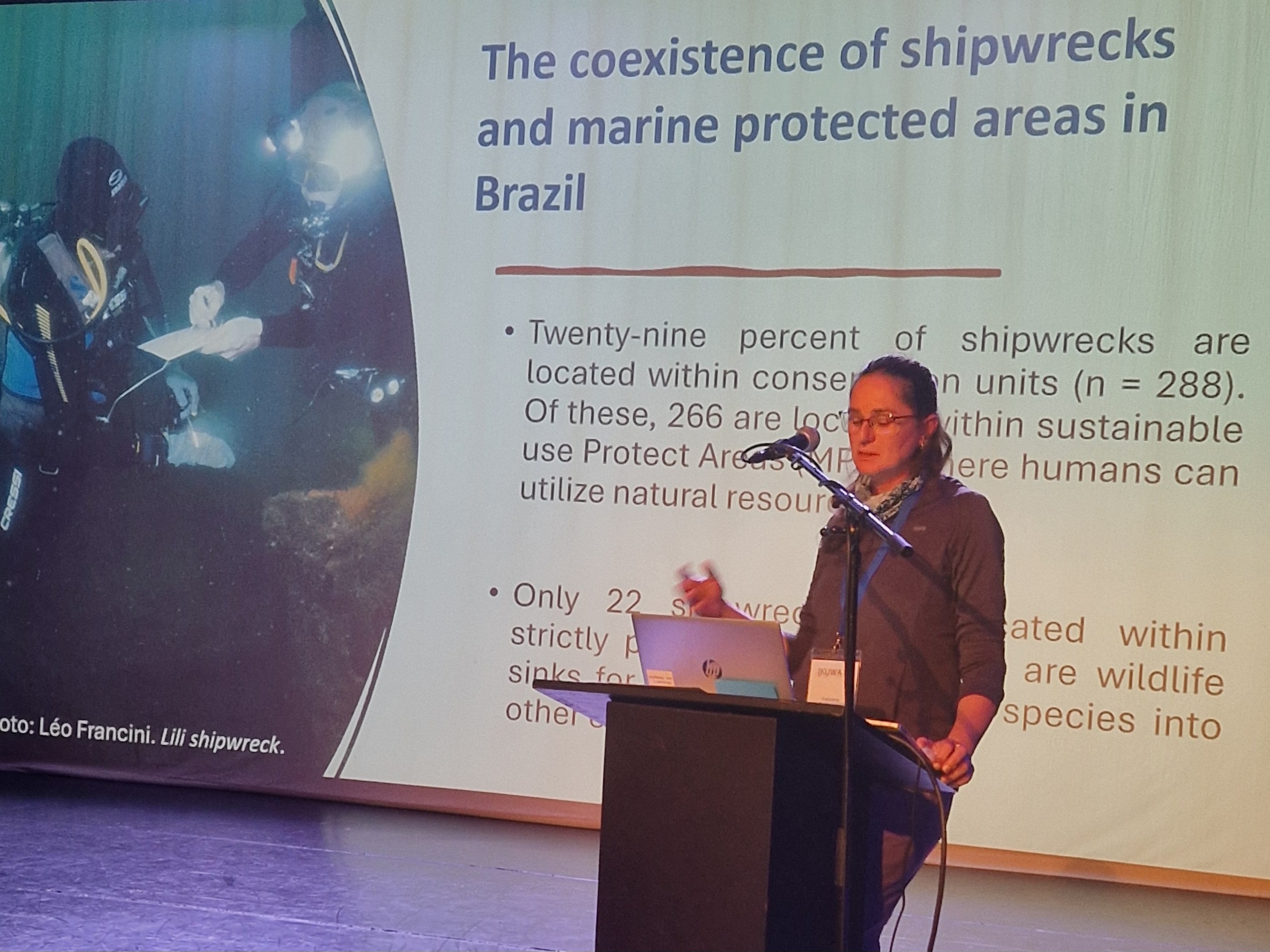
CHFP Endorsed Action lead Fabiana Dallacorte’s presentation examined shipwrecks within Brazilian marine protected areas, showing that many are poorly addressed in management plans and highlighting the need to integrate UCH into biodiversity conservation and climate resilience planning.

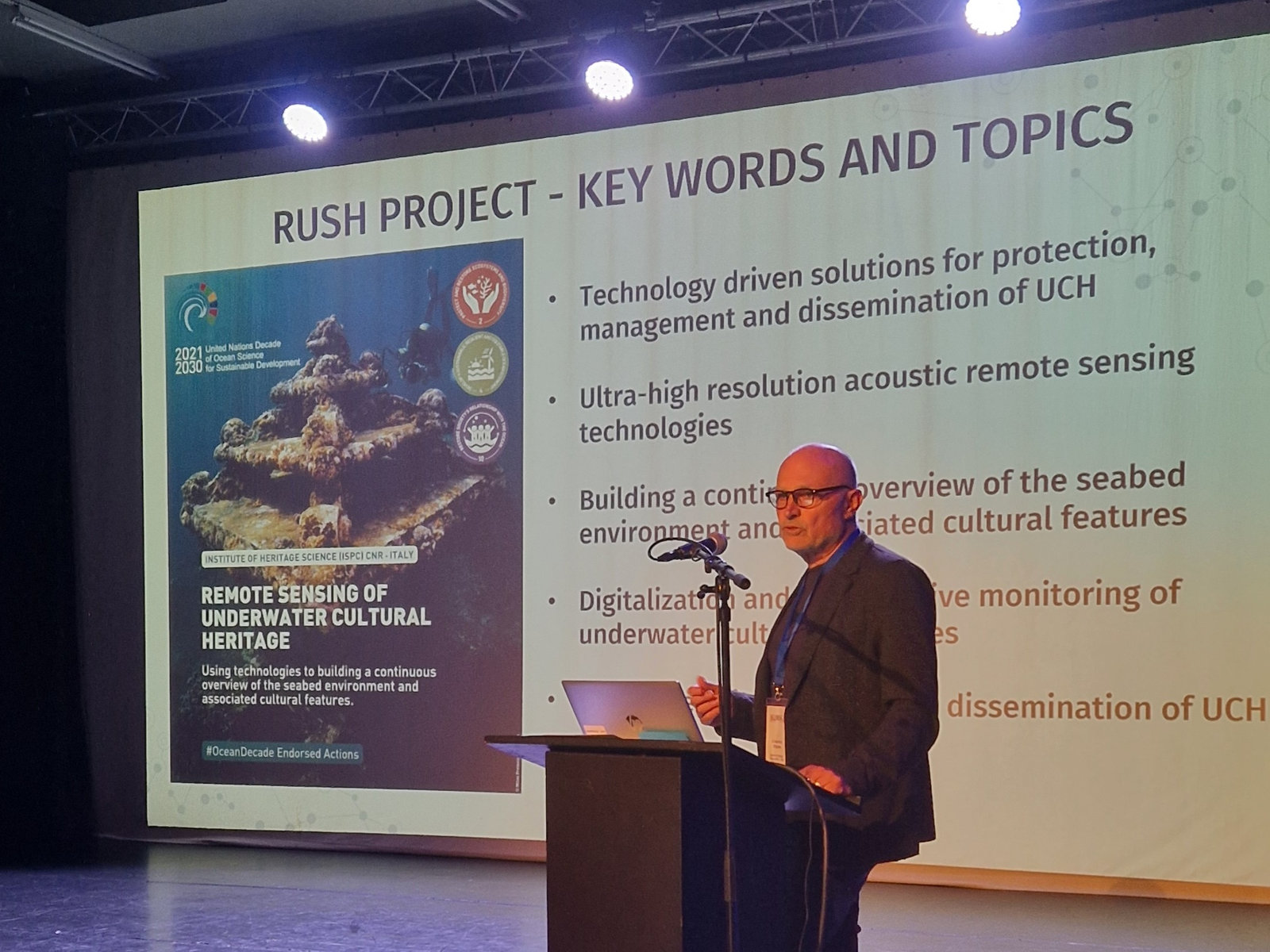
The session concluded with another CHFP Endorsed Action lead Crescenzo Violante’s introduction of the RUSH project, which demonstrated how high-resolution remote sensing and 3D visualisation tools can support the documentation, conservation, and public engagement, drawing on a case study from the Baia Archaeological Park in Italy.

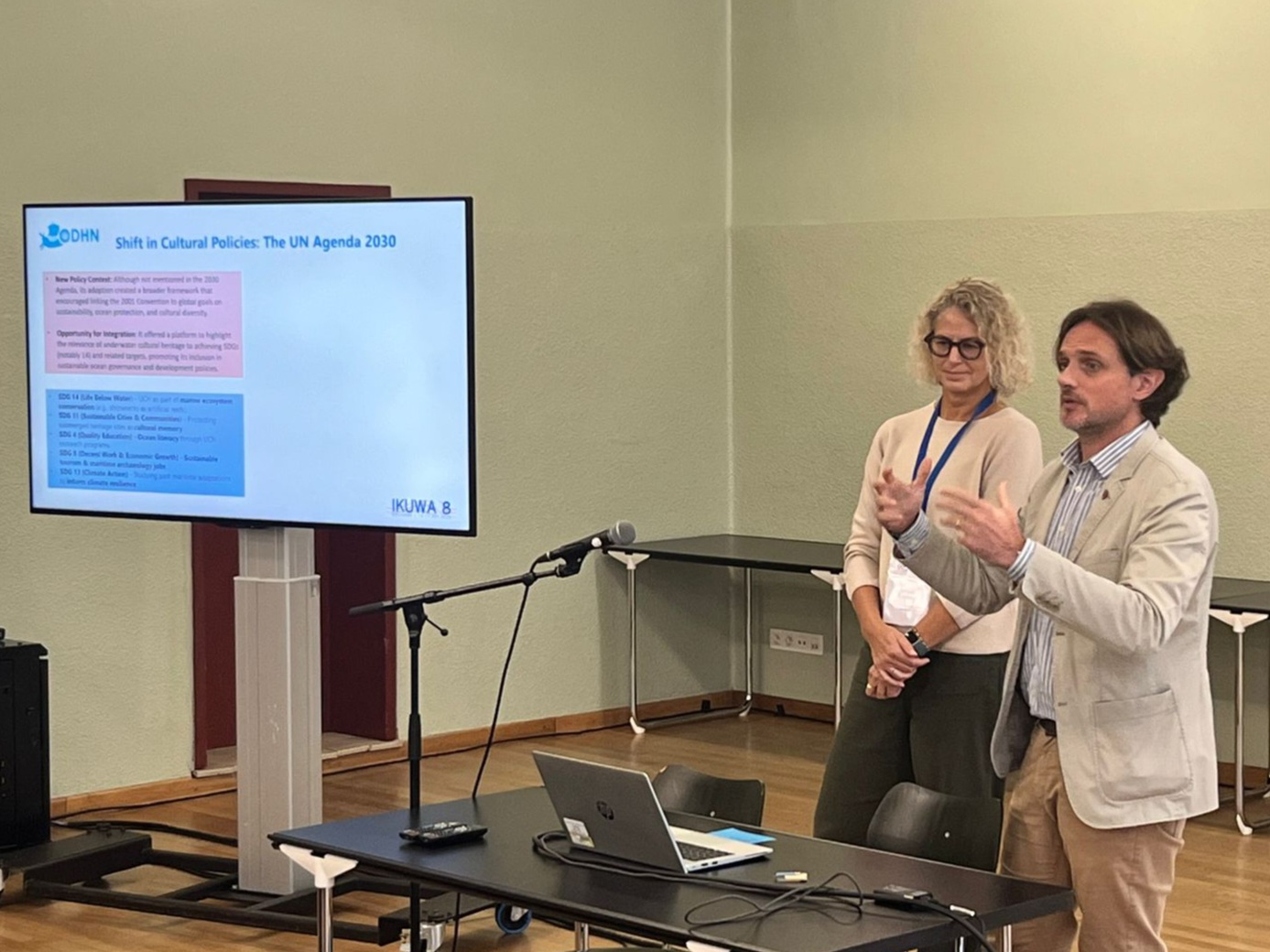
Many other sessions at IKUWA8 addressed complementary themes, further demonstrating the breadth and vitality of current work in UCH. For example, ODHN Co-Chairs Arturo Rey da Silva and Athena Trakadas presented Enhancing Sustainable Development through the UNESCO 2001 Convention: Unlocking the Potential of Underwater Cultural Heritage, which explored how the 2001 Convention serves as a foundation for ensuring that UCH, as well as its associated intangible expressions and values, remains an essential component of ocean sustainability. This underlines the Convention’s role for the UN Ocean Decade and beyond.

ODHN engagement and outreach

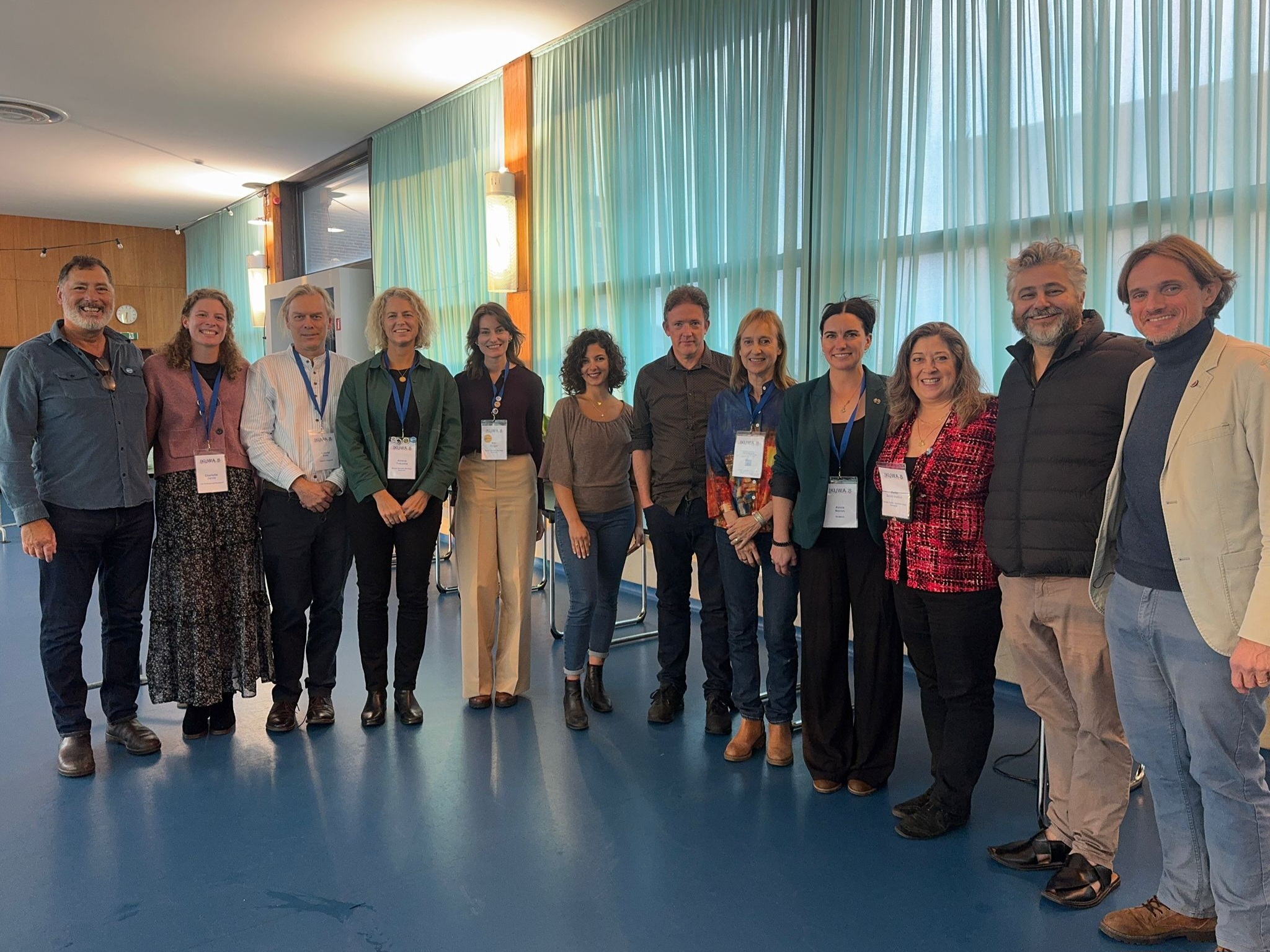
ODHN members were active across the wider conference programme, contributing presentations, posters, and informal discussions beyond those highlighted here. This engagement reflected ongoing involvement in the UCH community around Ocean Decade priorities and highlighted the value of collaboration and knowledge exchange.
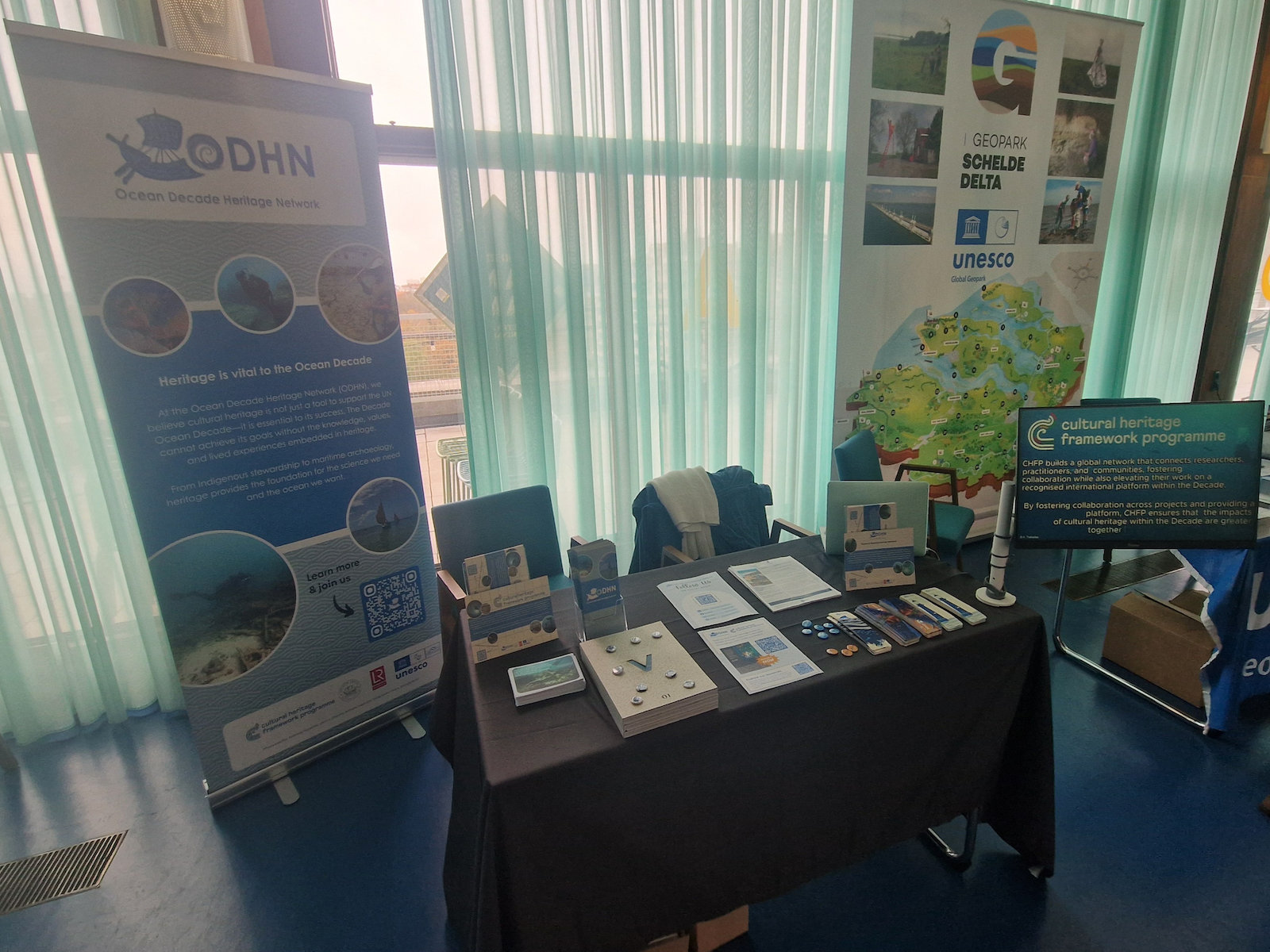
The ODHN booth at IKUWA8.

In addition to the formal programme, the ODHN hosted a booth at the conference, offering an informal space to meet and talk with delegates throughout the week. These conversations provided opportunities to exchange ideas, discuss ongoing work, and strengthen connections across the UCH community. The booth also served as a point of outreach, with badges, bookmarks printed on seaweed paper, and information leaflets on the ODHN, its Regional Representatives (RR) Network and CHFP distributed to participants, reinforcing the Network’s commitment to accessible and sustainable engagement. As a result, several new CHFP-affiliated, Ocean Decade-endorsed applications were submitted for consideration, and CHFP social media produced several interviews in different languages.
Looking forward

As the UN Ocean Decade reached its midpoint, IKUWA8 offered a moment for the UCH community to reflect on where we are and where we are heading. Alongside discussions of ongoing challenges, the conference highlighted the importance of collaboration, shared learning, and inclusive practice. Many of the conversations at IKUWA8 pointed to a growing commitment to ensuring that UCH is better integrated into ocean science and policy, while also recognising that greater visibility and influence are still needed. With active networks and an engaged community, the years ahead offer space to build on this work and to continue strengthening the place of UCH within ocean science and policy.