
By Vera Noon
ODHN Regional Representative for the East Mediterranean
The East Mediterranean region is one of the world’s oldest maritime crossroads, exceptionally rich in marine cultural heritage, extending beyond terrestrial monuments or submerged archaeological remains to include everyday relationships with the sea: fishing traditions, boatbuilding techniques, coastal rituals, culinary practices, memories and identities.
In recent years, the Levantine basin became a battlefield where military vessels and warships seem to be competing for space with tourism, shipping, fishing and offshore energy developments. As conflicts intensified, political priorities shifted, pushing cultural and environmental protection down the policy agenda. Regional proxy wars escalated, leading to severe environmental degradation and the gradual erasure of culturally significant sites.
So, if survival and basic life needs become priorities, why keep talking about cultural heritage? The answer is simple: In times of conflict, heritage is both a victim and a source of resilience.
The multi-layered conflict that has intensified since October 2023 led to devastation across societies, economies and the environment. Let’s investigate these impacts, namely across the affected East Mediterranean countries.
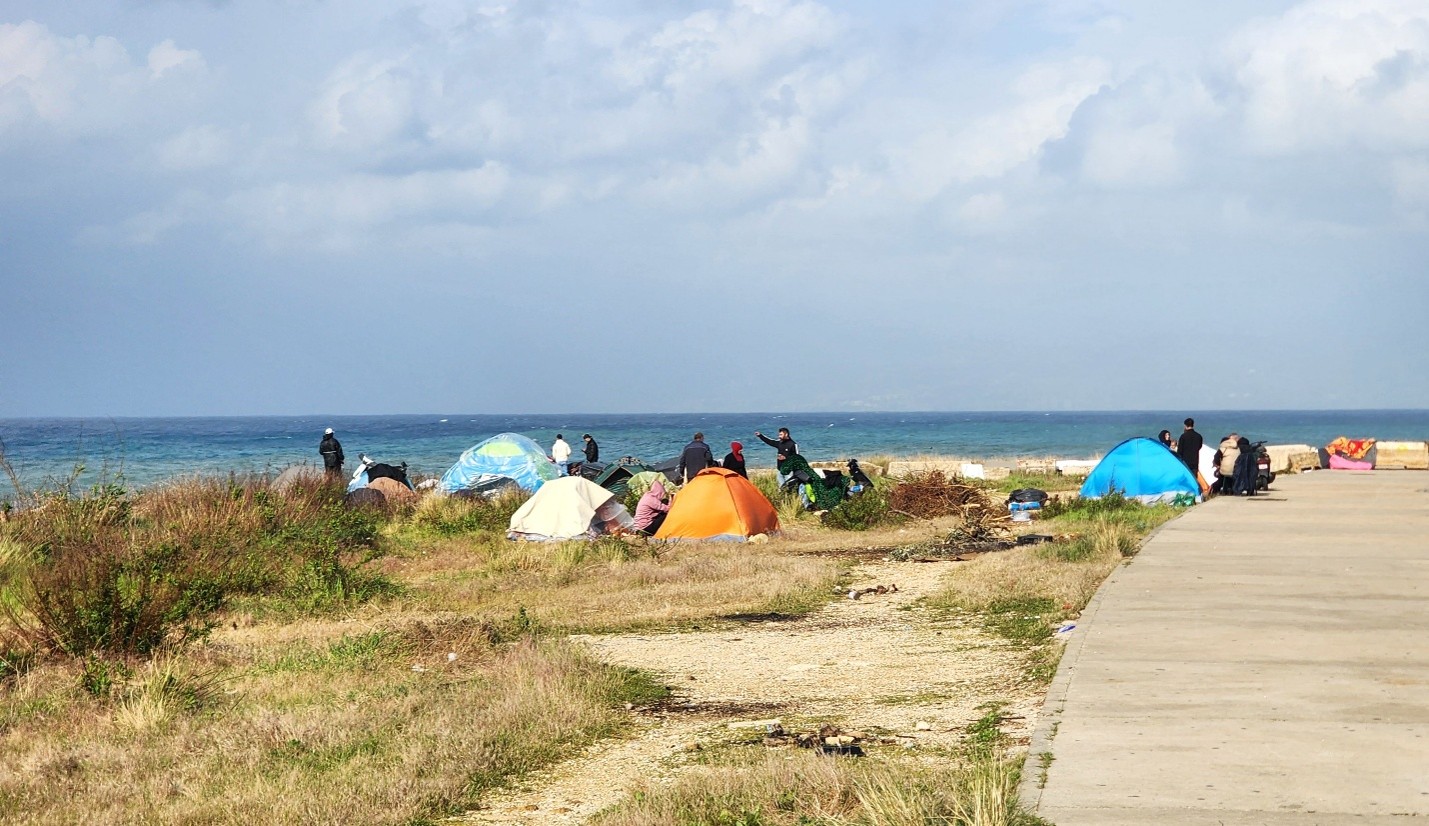
To begin with, human casualties and repeated evacuation orders caused mass displacement, contributing to the loss of living heritage (e.g., traditional boat building in Tyre, Lebanon) and to communities’ fragmentation.
Airstrikes and residual smoke plumes damaged agricultural lands, waterways and nature reserves, causing pollution and undermining livelihoods across the communities that directly rely on these resources. Access restrictions imposed by the occupation further compounded these challenges: the maritime blockade imposed on fishermen in Tyre and Gaza—and the consequences on those who dared fish—is a clear illustration of the blockade’s impact on local communities.
World Heritage Sites, archaeological remains and historically significant features have also suffered direct damage from airstrikes, destroying places that carry memories and meanings within the local communities and beyond. As these areas become locked into military occupation, access to these locations for monitoring becomes restricted, limiting data availability required for impacts assessment.
Pollution and physical damage across the two states are exacerbated by years of neglect and failed educational systems, both resulting from long-term institutional weakening. The conflict also means increased operational costs for small businesses, rendering their activities unsustainable.
When entire communities face poverty, hunger, and displacement, protecting nature and culture is no longer a priority. Basic human needs become the first concern of humanitarian organisations, NGOs and governments, shifting funds away from environmental and cultural heritage conservation projects. In fact, across the region, several marine and heritage-related events, projects, and initiatives have been cancelled or postponed due to the ongoing conflict, extending repercussions beyond armed conflict areas.
Despite these challenges, what kinds of initiatives continue to emerge? The following examples illustrate various pathways for integrating heritage under different political realities.
So, under these circumstances, what kinds of initiatives can still take place?
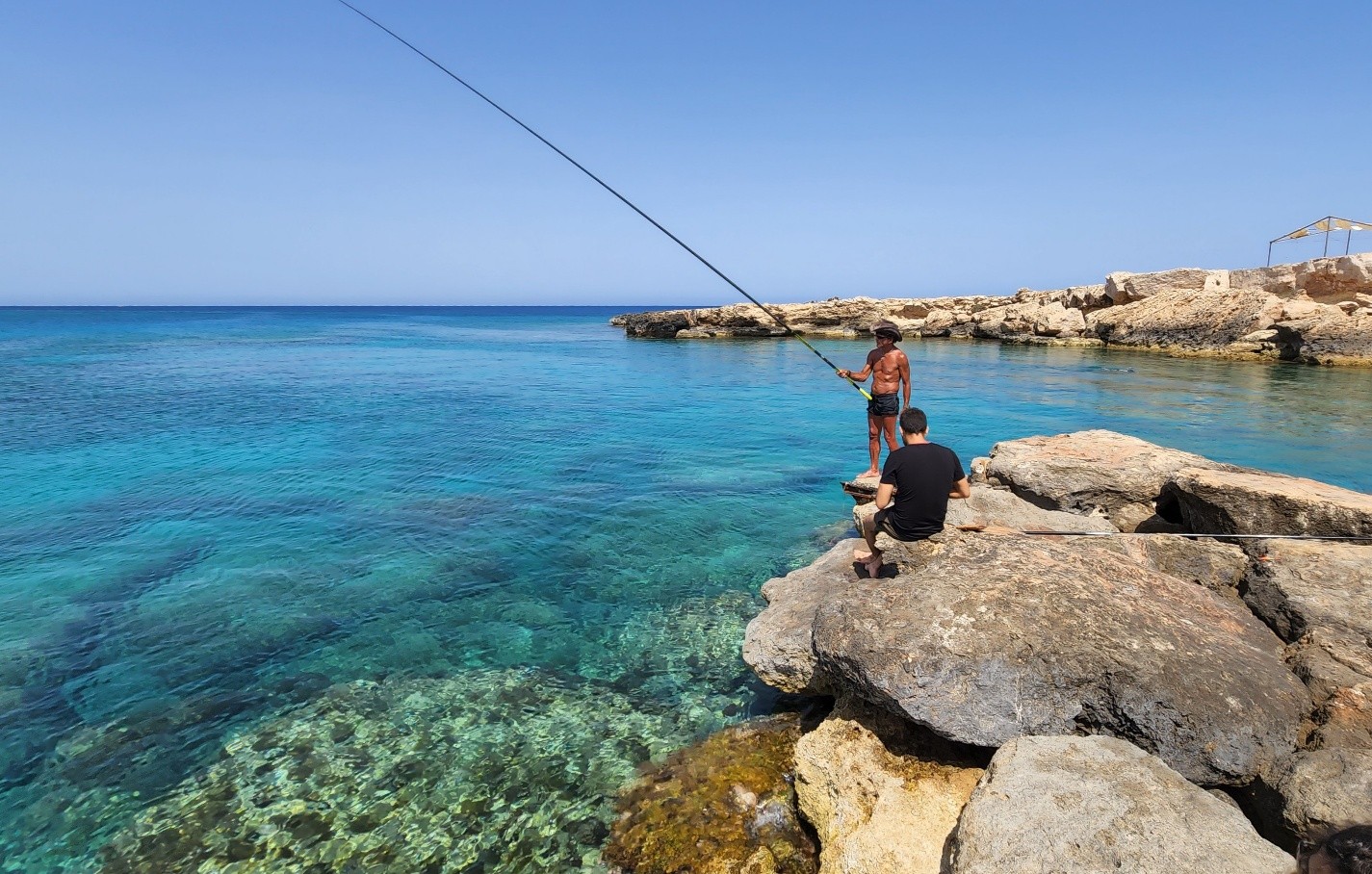
Cyprus is slowly building momentum in marine heritage initiatives. On a policy level, the government has explicitly integrated the cultural heritage dimension within its national Marine Spatial Plan. Coupling this with community development projects such as the “Sea and Culture” museum ↗ (opens in a new tab) in the small fishing village of Latsi, heritage can be a bridge between top-down policy and bottom-up community engagement. The “Mare Cyprium” multimedia application ↗ (opens in a new tab) further brings marine heritage to the public by offering a digitised platform for multiple pilot sites. By connecting communities with the sea, promoting Ocean Literacy and embedding heritage in policy, these initiatives contribute directly to the Ocean Decade’s objectives.
Within countries experiencing armed conflict, the situation is more complicated.
Syria’s 180 km Mediterranean coastline represents a forgotten maritime landscape. The political climate since 2011 exacerbated the gap in research, leaving much of its rich heritage undocumented. Despite this, local initiatives such as @sea_of_syria ↗ (opens in a new tab) use social media to raise awareness on Syria’s Mediterranean coastal history, shedding light on its coastal architecture, folklore and traditions, a first step towards an increased ocean awareness in the East Mediterranean country.
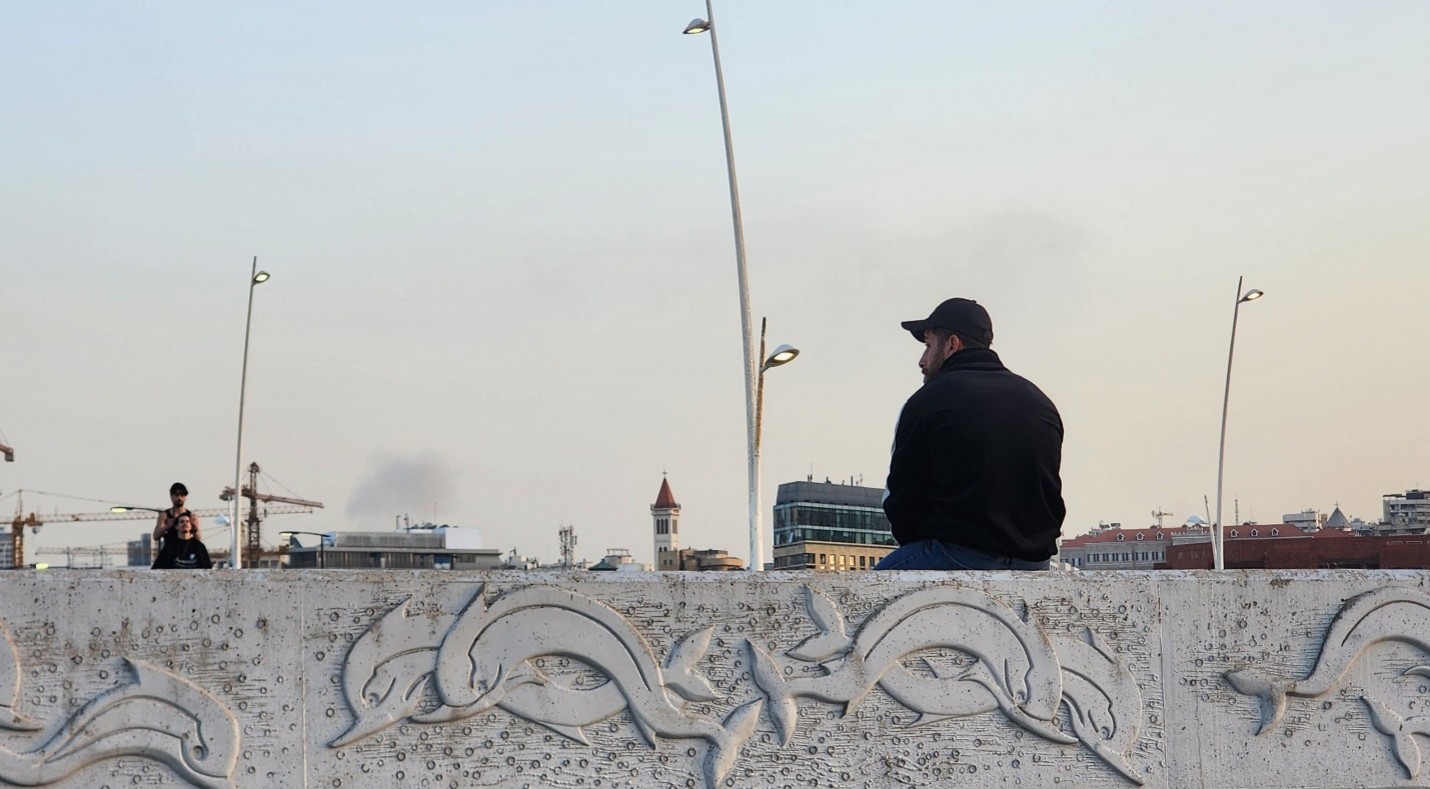
In Lebanon, the periods of lawlessness caused by political instability have led to an increase in opportunistic developments, especially in coastal areas. As state institutions weakened, local activists stepped in. For example, the bulldozing of the Tell Fadous Bronze Age site in the Batroun coastal town of Kfarabida, resulted in partial damage of its archaeological remains and sparked public outcry: the site was subsequently placed on the Lebanese inventory of historic monuments. Local stakeholders and heritage experts used this as an opportunity to promote the site through public guided tours, conferences and exhibitions at the national museum.
Community action extends beyond archaeology. In the south, while the monitoring of marine turtle nests is no longer feasible due to direct threats from military occupation—exemplified by the assassination of conservationist Mona Khalil—environmental activists transferred their efforts to other parts of the Lebanese coast and continued her mission despite these challenges.
These grassroots initiatives demonstrate that community stewardship remains possible, and even indispensable during prolonged crises, serving as an entry point towards achieving the Ocean Decade objectives.
Moving southwards, in the Palestinian occupied territories, systematic archaeological research has been hindered by conflict since the 2000s, and today, access to the sea is restricted for leisure and subsistence alike, let alone archaeological research: the sea became a source of fear. Moreover, since the 1948 Nakba, recurrent evacuation orders altered the landscape and social uses of the sea. Families displaced from coastal cities carried their maritime traditions inland: seafood recipes, for example, became expressions of a living heritage moving along with its bearers.
Activism under these circumstances takes a different form, and heritage projects need to adapt to the new realities. For example, the Gaza Maritime Archaeology Project (GAZAMAP) ↗ (opens in a new tab) sought to document endangered archaeology using limited tools and methods, before the ongoing conflict forced its activities to cease.
These experiences demonstrate the role that communities and local initiatives play in safeguarding marine heritage when institutions are weakened or absent. They remind us that protecting heritage also means protecting the relationships people maintain with the sea.
The UN Ocean Decade calls for “the ocean we want”. In the East Mediterranean, that vision cannot be achieved through environmental restoration alone. It must recognise conflict as a defining reality of many coastal communities, and acknowledge the histories, identities and everyday practices that bind them to the sea, even in times of crises.
Marine Cultural Heritage should therefore be recognised as a source of resilience. Supporting community-led initiatives, integrating heritage into ocean governance and strengthening Ocean Literacy can help sustain the social fabric upon which future recovery depends.
In regions affected by conflict, safeguarding marine heritage is no longer simply about preserving the past; it’s also about safeguarding the environment, the practices and the relationships that will shape its future.